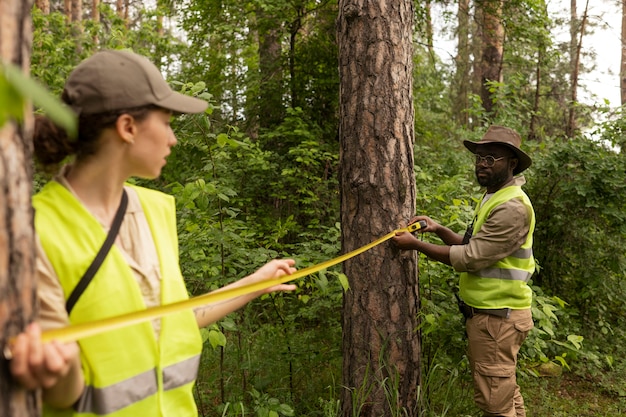
Creating safe, sustainable communities requires a proactive approach to wildlife management. When native species intersect with residential areas, the balance between human activity and ecological health can be delicate. Effective wildlife management services help mitigate conflicts, protect property, and preserve biodiversity, ensuring that neighborhoods remain both livable and environmentally responsible.
Why Professional Wildlife Management Matters
Professional wildlife management goes beyond simple removal of animals. It incorporates science-based strategies, community education, and long-term monitoring to address the root causes of human-wildlife interactions.
- Public safety: Reduces risks associated with venomous snakes, aggressive mammals, and disease-carrying pests.
- Property protection: Prevents damage to structures, landscaping, and utilities caused by burrowing or foraging wildlife.
- Ecosystem health: Maintains native species populations while discouraging invasive organisms that can outcompete local flora and fauna.
Key Components of Top Wildlife Management Services
1. Comprehensive Assessment
A thorough site evaluation identifies the species present, the extent of activity, and the environmental factors encouraging wildlife presence. This data-driven foundation allows for customized solutions rather than one-size-fits-all tactics.
2. Integrated Control Methods
Effective programs combine humane trapping, exclusion techniques, habitat modification, and, when necessary, regulated population control. The goal is to deter future incursions while respecting animal welfare.
3. Community Education and Outreach
Educating residents on preventative measures, such as proper waste management, landscaping choices, and safe wildlife interaction, empowers neighborhoods to sustain the benefits of professional interventions.
Leading Services to Consider
When selecting a wildlife management provider, look for firms that demonstrate the following qualities:
- Licensed wildlife specialists with certifications from reputable agencies.
- Transparent, science-based methodologies and clear reporting.
- Responsive customer support and flexible service plans.
- Commitment to ongoing monitoring and follow-up visits.
For a detailed overview of best practices, Discover expert strategies here. This resource outlines the latest techniques used by seasoned professionals to keep communities safe without compromising ecological integrity.
Tailored Solutions for Different Environments
Urban and Suburban Areas
High-density neighborhoods often face issues with raccoons, squirrels, and birds that seek shelter in attics or feed on gardens. Effective solutions include:
- Sealing entry points with durable materials.
- Installing deterrent devices such as motion-activated lights.
- Providing alternative food sources away from homes to reduce attraction.
Rural and Semi-Rural Communities
Rural settings may encounter larger mammals like deer, coyotes, or feral hogs. Management strategies typically involve:
- Fencing designs that limit access to crops and property.
- Population control measures coordinated with local wildlife agencies.
- Habitat alteration to discourage nesting in barns or sheds.
To explore more specific guidance, Explore advanced guides and tips. The site provides actionable checklists and case studies relevant to a variety of community types.
Measuring Success and Ongoing Support
Successful wildlife management is measured not only by immediate removal of problem animals but also by long-term reduction in repeat incidents. Key performance indicators include:
- Decrease in reported wildlife sightings.
- Reduction in property damage claims.
- Positive feedback from residents regarding safety and satisfaction.
Continual monitoring ensures that any resurgence is caught early, allowing for rapid response before issues escalate.
Customer Feedback and Trust
Transparency and proven results build confidence in any service provider. Prospective clients can Check out customer reviews here to see real-world experiences from neighborhoods that have benefited from professional wildlife management.
Conclusion
Investing in professional wildlife management services is an essential step toward fostering safe, sustainable communities. By leveraging comprehensive assessments, integrated control methods, and community education, these services protect both people and the environment. For those ready to implement proven solutions, the resources linked throughout this article offer a solid foundation for informed decision-making and lasting results.