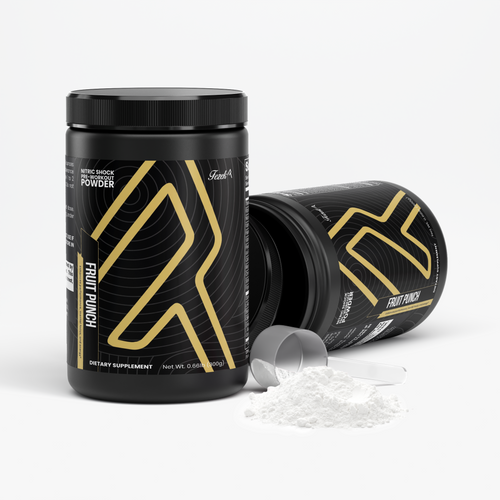
Optimizing pre-workout nutrition is a cornerstone of consistent performance gains, yet many athletes overlook the nuanced role of pre-workout powders. These supplements can enhance energy, focus, and endurance when used correctly, but the benefits are only realized through informed timing, dosage, and ingredient selection. This guide consolidates scientific insights and practical tips to help anyone, from seasoned lifters to beginners, extract the maximum advantage from their pre-workout routine, ensuring each training session builds toward measurable progress.
Understanding the Core Ingredients
Pre-workout powders typically blend several active compounds, each targeting a specific physiological need. Recognizing these components allows you to match the formula to your training goals.
Caffeine
- Boosts central nervous system activity, increasing alertness and perceived effort.
- Effective dose ranges from 150″?mg to 300″?mg, depending on tolerance.
- Timing: consume 30-45 minutes before training for peak plasma concentration.
Beta-Alanine
- Buffers hydrogen ions, delaying muscle fatigue during high-intensity bouts.
- Typical dosage is 2-5″?g per day, often split across meals to reduce tingling sensations.
- Consistent daily intake is more important than timing relative to the workout.
Citrulline Malate
- Elevates nitric oxide levels, improving blood flow and nutrient delivery.
- Recommended dose: 6-8″?g taken 20-30 minutes pre-exercise.
- Supports both endurance and strength sessions by enhancing pump and recovery.
Creatine Monohydrate (optional)
- Increases phosphocreatine stores, aiding rapid ATP regeneration.
- Standard loading protocol: 5″?g daily, regardless of workout timing.
- When combined with a pre-workout, it can amplify power output.
Timing and Dosage Strategies
Even the most potent blend will fall short if not timed correctly. Below are evidence-based recommendations to synchronize intake with your training window.
- Pre-workout window: Aim for 20-45 minutes before the first set. This allows caffeine and nitric-oxide precursors to reach peak effectiveness.
- Hydration factor: Mix powder in at least 250″?ml of water; adequate fluid volume supports absorption and reduces gastrointestinal discomfort.
- Cycle periods: Implement a 4-week on / 1-week off cycle for stimulants to prevent tolerance buildup.
- Post-workout consideration: If the formula includes beta-alanine or citrulline, a small post-session dose can aid recovery, though it is not mandatory.
Personalizing Your Pre-Workout Stack
Individual goals, body weight, and sensitivity to stimulants dictate how you should tailor a pre-workout powder. Use the following checklist to customize your blend.
- Assess caffeine tolerance – start at the lower end of the dosage range.
- Identify training focus: endurance (higher citrulline), strength (creatine synergy), or mixed (balanced formula).
- Consider dietary restrictions – many powders are vegan-friendly and free from artificial colors.
- Track results – keep a simple log of energy levels, performance metrics, and any side effects.
Safety and Common Pitfalls
While pre-workout powders are generally safe for healthy adults, misuse can lead to suboptimal outcomes or health concerns.
- Over-stimulation: Exceeding 400″?mg of caffeine can cause jitteriness, increased heart rate, and sleep disturbances.
- Underdosing: Insufficient beta-alanine may not provide noticeable buffering benefits, leading to premature fatigue.
- Mixing with other stimulants: Avoid combining pre-workout with energy drinks or high-caffeine teas.
- Ignoring hydration: Dehydration amplifies the risk of cramps and dizziness during intense sessions.
Integrating Pre-Workout Into a Holistic Program
Pre-workout supplementation should complement, not replace, foundational elements such as nutrition, sleep, and periodized training.
- Maintain a balanced diet rich in complex carbs and lean protein to fuel workouts.
- Prioritize 7-9 hours of sleep for hormonal recovery and cognitive function.
- Follow a structured program that alternates volume and intensity to prevent plateaus.
For deeper insights into how pre-workout powders fit within an overall performance strategy, Discover expert strategies here.
Choosing a Quality Product
When selecting a pre-workout, scrutinize the label for transparency, third-party testing, and ingredient clarity. Reputable brands often provide detailed batch analyses and avoid proprietary blends that mask exact dosages.
- Look for certifications such as NSF Certified for Sport or Informed-Sport.
- Check that the product lists each ingredient with its specific amount per serving.
- Prefer powders without unnecessary fillers, artificial sweeteners, or excessive colors.
To explore vetted options and learn about tailored solutions, Learn about our tailored solutions.
Practical Tips for Consistent Use
Consistency is the bridge between supplementation and measurable gains. Implement these habits to ensure reliable performance.
- Prepare your pre-workout shake the night before and store it in a shaker bottle.
- Set a reminder on your phone for the optimal ingestion window.
- Rotate flavors or brands periodically to maintain palatability and avoid taste fatigue.
- Combine with a brief dynamic warm-up to maximize blood flow and neuromuscular activation.
Conclusion
Effective use of pre-workout powder hinges on understanding ingredient roles, timing intake, personalizing dosages, and integrating the supplement into a broader performance plan. By adhering to evidence-based practices, such as proper caffeine dosing, beta-alanine loading, and strategic cycling, athletes can achieve steadier energy, sharper focus, and delayed fatigue, translating into consistent workout performance gains.
For additional advanced guides and tips that dive deeper into periodization, nutrition timing, and recovery protocols, Explore advanced guides and tips. If you’re curious about the science behind each component or want to fine-tune your regimen, Find out more about this approach.