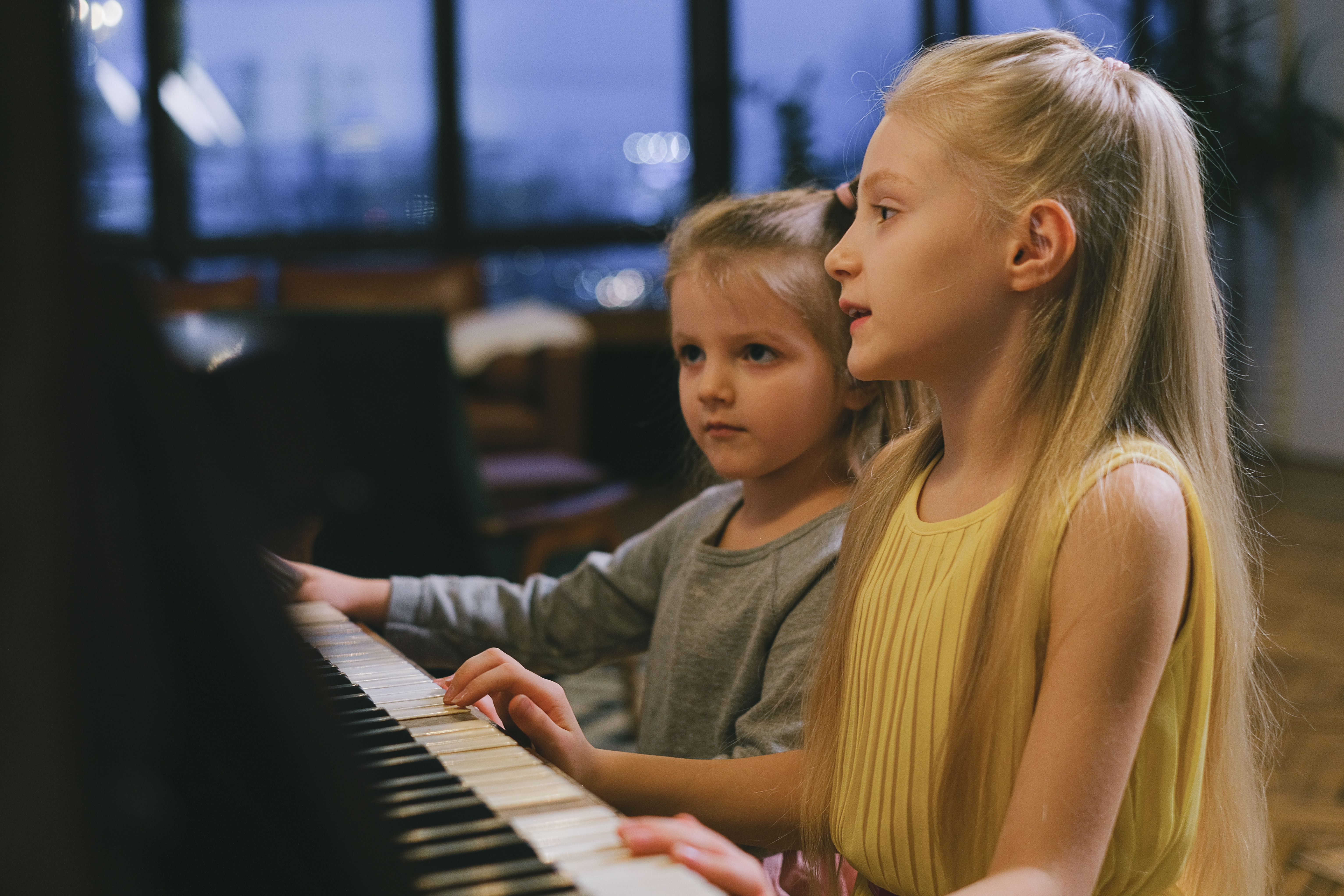
Piano classes for kids are an excellent way to introduce them to the world of music, fostering creativity, discipline, and a lifelong appreciation for the arts. When it comes to selecting the right piano classes, parents should look for experienced teachers who can provide a supportive and engaging learning environment. At Discover expert strategies here, parents can find valuable insights on how to choose the perfect piano class for their child.
Benefits of Piano Classes for Kids
Research has shown that learning to play the piano has numerous cognitive and emotional benefits for children. Not only do they develop their fine motor skills and hand-eye coordination, but they also improve their memory, concentration, and self-discipline. Moreover, playing the piano can be a wonderful way for kids to express themselves creatively and build confidence in their abilities. By enrolling their child in piano classes, parents can provide them with a unique opportunity to develop their musical talents and explore the world of music.
Choosing the Right Piano Class
When selecting a piano class for their child, parents should consider several factors, including the qualifications and experience of the teacher, the class size and structure, and the overall learning environment. A smaller class size allows for more individualized attention and a more effective learning experience. Additionally, a well-structured class with clear goals and expectations can help children stay motivated and focused. To learn more about creating an effective learning plan, parents can visit Learn about our tailored solutions.
Piano Class Structure and Curriculum
A well-designed piano class should include a mix of theory, technique, and performance. A qualified teacher should provide a comprehensive curriculum that covers the basics of music theory, including reading sheet music, understanding rhythm and timing, and developing finger dexterity and strength. As children progress, they can learn more complex pieces and explore different genres and styles of music. To find out more about creating a balanced curriculum, parents can explore Explore advanced guides and tips.
Practice and ProgressEffective practice and progress are essential for a child’s musical development. A qualified teacher should provide regular feedback and guidance to help children improve their skills and build their confidence. Parents can also play an active role in supporting their child’s practice by establishing a regular practice routine and providing positive reinforcement and encouragement. By working together with the teacher, parents can help their child make steady progress and achieve their musical goals.
For parents who are new to piano classes, it can be helpful to learn more about the process and what to expect. At Discover expert strategies here, parents can find valuable insights and advice on how to navigate the world of piano classes and support their child’s musical development.
Conclusion
Piano classes for kids offer a unique opportunity for children to develop their musical talents and explore the world of music. By choosing the right piano class and working with an experienced teacher, parents can help their child build a lifelong appreciation for the arts and develop important skills such as discipline, creativity, and self-expression. Whether their child is a beginner or an experienced musician, a well-structured piano class can provide a supportive and engaging learning environment that fosters growth and development.