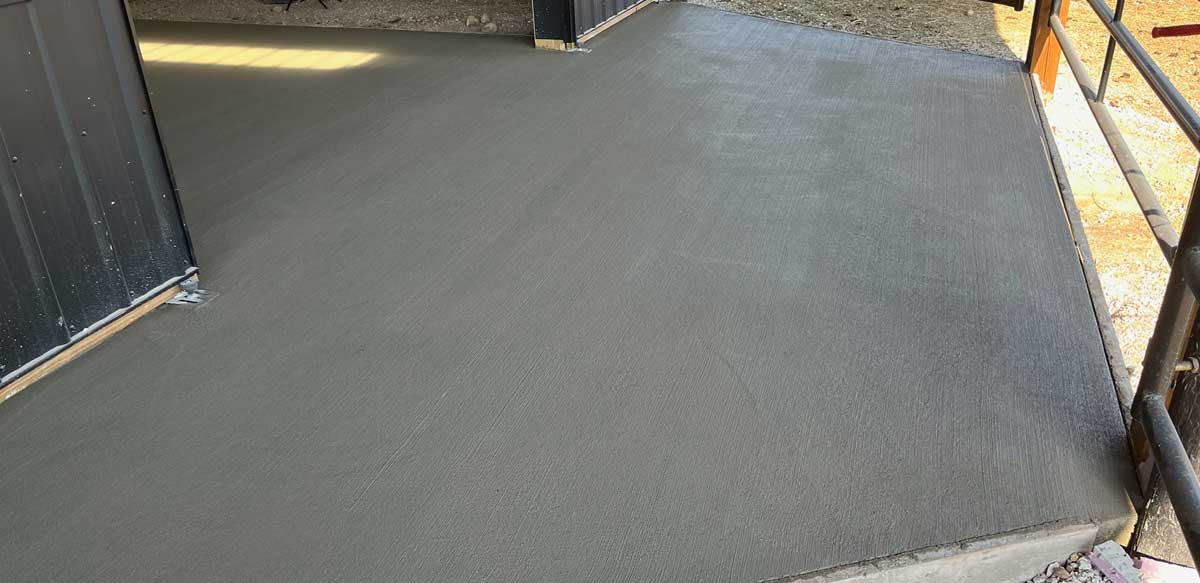
Concrete garage floors are one of the most durable investments a homeowner can make, offering resistance to wear, chemicals, and temperature fluctuations. Yet, achieving a flawless finish that lasts for decades requires more than a DIY spirit, it demands the expertise of a seasoned professional. Understanding the benefits of hiring a qualified concrete garage floor contractor can save time, money, and future headaches, while delivering a surface that enhances both functionality and curb appeal.
Why Professional Installation Matters
Choosing a professional contractor brings several critical advantages that DIY projects often overlook:
- Precision Mixing and Placement: Proper water-to-cement ratios and aggregate selection ensure strength and minimal cracking.
- Advanced Surface Preparation: Skilled contractors assess sub-grade conditions, apply vapor barriers, and use proper reinforcement techniques.
- Specialized Finishing Techniques: Polishing, stamping, or coating are applied with equipment that delivers uniform texture and sheen.
- Compliance with Local Codes: Professionals stay current with building regulations, ensuring the work passes inspection.
Key Services Offered by a Concrete Garage Floor Contractor
Assessment and Planning
A thorough site evaluation determines the appropriate concrete mix, thickness, and reinforcement strategy. This stage often includes:
- Moisture testing and drainage analysis.
- Load-bearing calculations based on vehicle weight and storage needs.
- Consultation on decorative options such as stains, dyes, or epoxy overlays.
Installation Process
The installation follows a systematic approach:
- Excavation and sub-base preparation.
- Installation of reinforcement (rebar, wire mesh, or fibers).
- Pouring, screeding, and floating the concrete.
- Applying finishing treatments, polish, sealers, or coatings.
For a deeper dive into the technical steps, anchor text provides a comprehensive guide.
Choosing the Right Contractor
Evaluating potential contractors involves more than checking a business card. Consider the following criteria:
- Experience: Look for a portfolio of completed garage floors, especially projects similar in size and scope.
- Licensing and Insurance: Verify that the contractor holds appropriate state licenses and liability coverage.
- Customer Reviews: Read testimonials that highlight punctuality, communication, and post-install support.
- Warranty Options: A solid warranty reflects confidence in workmanship and materials.
Helpful resources on evaluating contractors can be found at anchor text, offering tips on what questions to ask during the selection process.
Cost Considerations and Budgeting
While concrete garage flooring is an investment, understanding cost drivers helps set realistic expectations:
- Material Quality: Higher-grade mixes and premium sealers increase durability but add to material costs.
- Surface Finish: Polished or epoxy finishes carry additional labor and product expenses.
- Project Size: Larger square footage benefits from economies of scale, but preparation work may vary.
- Location: Regional labor rates and permitting fees affect overall pricing.
To explore detailed pricing breakdowns and budgeting tools, see anchor text.
Maintenance and Longevity
Even the best-installed concrete floor benefits from routine care. Recommended practices include:
- Regular sweeping to remove abrasive debris.
- Prompt cleaning of spills, especially oil or chemicals, to prevent staining.
- Annual resealing or recoating, depending on traffic and environmental exposure.
- Inspection for cracks or joint deterioration, addressing issues before they spread.
For a schedule of maintenance tasks and product recommendations, anchor text offers a practical checklist.
Conclusion
Investing in a professional concrete garage floor contractor ensures a resilient, aesthetically pleasing surface that stands up to daily wear and extreme conditions. By focusing on expert assessment, precise installation, and ongoing maintenance, homeowners can enjoy a garage floor that adds value and convenience for years to come. Selecting a qualified contractor, understanding cost factors, and committing to proper care are the cornerstones of a successful project.