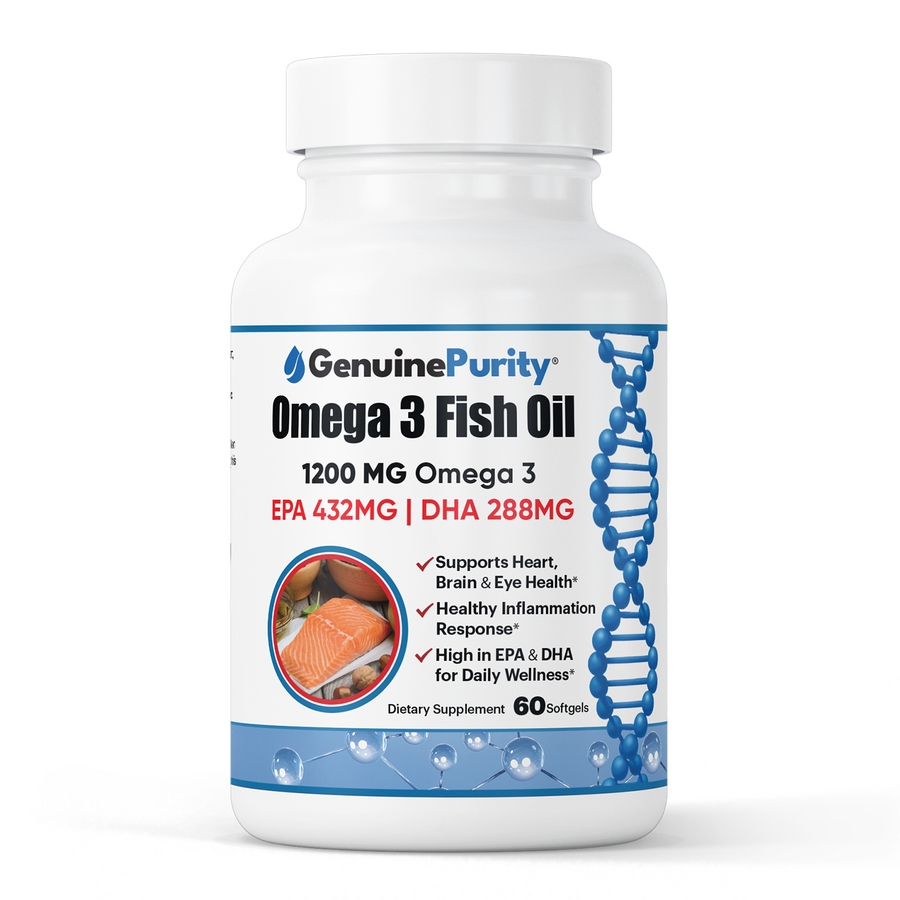
Omega-3 fatty acids have become a cornerstone of modern nutrition, praised for their role in supporting heart health, brain function, and overall well-being. With an ever-growing market of fish-oil products, choosing the right supplement can feel overwhelming. This guide distills the most important factors to consider, highlights the top-rated options for 2024, and explains how high-quality omega-3 can fit into a balanced lifestyle.
Why Omega-3 Matters in 2024
Scientific consensus continues to reinforce the benefits of EPA (eicosapentaenoic acid) and DHA (docosahexaenoic acid), the two primary omega-3s found in marine sources. Key health advantages include:
- Cardiovascular support – helps maintain healthy triglyceride levels and promotes normal blood pressure.
- Neurocognitive health – contributes to memory retention, mood regulation, and may reduce age-related cognitive decline.
- Inflammation reduction – assists in managing joint discomfort and supports immune response.
- Eye health – DHA is a structural component of retinal tissue, aiding visual acuity.
Because the body cannot synthesize these fats efficiently, supplementation remains a practical strategy for most adults.
Key Criteria for Selecting a Premium Omega-3 Supplement
Purity and Safety
Contaminants such as heavy metals, PCBs, and dioxins can accumulate in fish oil if not properly refined. Look for products that employ molecular distillation or similar processes to ensure:
- Third-party testing results readily available.
- Certificates of Analysis (COA) confirming low levels of toxins.
EPA/DHA Ratio and Dosage
The therapeutic dose varies by health goal. For general wellness, 500-1000″?mg combined EPA/DHA per day is typical, while higher doses may be recommended for specific cardiovascular or inflammatory conditions. A balanced ratio (approximately 1.5:1 to 2:1 EPA to DHA) often delivers optimal results.
Formulation and Bioavailability
Triglyceride (TG) or re-esterified triglyceride (rTG) forms are more readily absorbed than ethyl ester (EE) versions. Softgel capsules are convenient, but liquid formulations can be useful for those with swallowing difficulties.
Sustainability
Eco-friendly sourcing, such as using wild-caught anchovies or responsibly farmed fish, helps protect marine ecosystems. Look for certifications from organizations like the Marine Stewardship Council (MSC).
Top Omega-3 Picks for 2024
After evaluating purity, potency, sustainability, and consumer feedback, the following three products stand out as the best overall choices for 2024.
1. Pure Marine Omega-3 Fish Oil – 1200″?mg EPA/DHA per Softgel
This supplement delivers a potent 1200″?mg of combined EPA and DHA per capsule, using a re-esterified triglyceride base for superior absorption. Third-party testing confirms the absence of heavy metals, and the product is MSC-certified.
- Strength: 1200″?mg EPA/DHA per serving.
- Form: Softgel, TG form.
- Key benefit: Supports cardiovascular health and cognitive function.
For a deeper dive into the science behind these benefits, Discover expert strategies here.
2. Ultra-Pure Omega-3 Concentrate – 2000″?mg EPA/DHA per Capsule
Designed for athletes and individuals seeking higher therapeutic doses, this concentrate provides 2000″?mg of EPA/DHA per capsule, with an EPA-dominant ratio (2.2:1). The oil is molecularly distilled to eliminate contaminants.
- Strength: 2000″?mg EPA/DHA per capsule.
- Form: Softgel, EE form (enhanced with absorption boosters).
- Key benefit: Ideal for intensive anti-inflammatory support.
Learn more about how high-dose omega-3 can fit into a training regimen by Learn about our tailored solutions.
3. Gentle-Flow Liquid Omega-3 – 500″?mg EPA/DHA per 1″?tsp
For those who prefer a liquid format, this product offers a mild, natural flavor and a balanced EPA/DHA profile. It’s suitable for children, seniors, and anyone with capsule aversion.
- Strength: 500″?mg EPA/DHA per teaspoon.
- Form: Liquid, TG form.
- Key benefit: Easy dosage adjustment and excellent for families.
Explore practical usage tips by Explore advanced guides and tips.
How to Incorporate Omega-3 Into Your Daily Routine
Consistent intake is essential for reaping long-term benefits. Consider these practical strategies:
- Take with meals: Fat-soluble omega-3 is best absorbed when consumed alongside dietary fat.
- Set a reminder: Use a phone alarm or a pill organizer to maintain regularity.
- Combine with antioxidants: Vitamin”?E can protect omega-3 from oxidation, enhancing stability.
- Monitor dosage: Start with the recommended daily amount and adjust based on personal health goals or physician advice.
Potential Side Effects and Safety Considerations
High-quality fish oil is generally well tolerated, but a few mild side effects may occur:
- Fishy aftertaste – mitigated by enteric coating or taking the supplement with food.
- Minor gastrointestinal discomfort – can be reduced by splitting the dose throughout the day.
- Blood-thinning effect – individuals on anticoagulant medication should consult a healthcare professional before exceeding 3000″?mg EPA/DHA per day.
For personalized guidance, Find out more about this approach and discuss any concerns with a qualified practitioner.
Final Thoughts
Selecting the right omega-3 supplement hinges on purity, potency, and personal lifestyle preferences. The three products highlighted above meet rigorous standards and align with the latest research, making them reliable choices for anyone aiming to enhance heart health, brain performance, and overall vitality in 2024. By integrating a high-quality omega-3 source into a balanced diet, individuals can proactively support their long-term health goals while enjoying the convenience of modern supplementation.