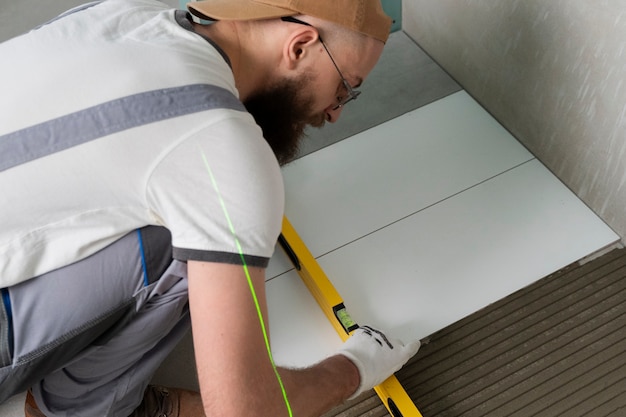
Maintaining a pristine pool environment goes beyond water chemistry; the structural integrity of the concrete pool and its surrounding deck plays a pivotal role in safety, aesthetics, and long-term value. Cracks, spalling, and surface wear can develop over time due to fluctuating temperatures, chemical exposure, and regular foot traffic. Addressing these issues promptly with professional repair techniques and a well-planned deck installation not only restores functionality but also enhances the overall enjoyment of the backyard oasis.
Common Signs of Concrete Pool Damage
Identifying problems early can prevent costly replacements. Look for the following indicators:
- Visible cracks or hairline fissures in the pool shell.
- Discoloration or staining that does not wash away.
- Loose or flaking concrete around the pool coping.
- Water seepage into surrounding soil or cracks in the deck.
- Uneven surfaces that create trip hazards.
Effective Repair Strategies
When damage is detected, a systematic approach ensures a durable fix.
Assessment and Preparation
- Conduct a thorough visual inspection and, if needed, a moisture test.
- Remove loose debris, algae, and deteriorated concrete using a pressure washer or hand tools.
- Mark all affected areas for reference during the repair process.
Choosing the Right Repair Method
Several techniques are available, each suited to specific damage types:
- Epoxy injection: Ideal for sealing fine cracks and preventing water infiltration.
- Polymer-modified cement overlay: Provides a seamless surface that resists chemical attack.
- Shotcrete resurfacing: Best for extensive surface wear or when a complete rebuild is unnecessary.
For a comprehensive guide on selecting and applying these methods, Discover expert strategies here.
Concrete Deck Installation: Best Practices
A well-executed deck not only complements the pool’s design but also protects the underlying structure from moisture and UV damage.
Design Considerations
- Choose slip-resistant finishes to enhance safety.
- Incorporate proper drainage slopes (typically 1-2% away from the pool) to avoid water pooling.
- Select materials that match the pool’s aesthetic, exposed aggregate, stamped concrete, or colored concrete are popular options.
Installation Steps
- Subgrade preparation: Compact the soil and add a geotextile layer to prevent shifting.
- Formwork and reinforcement: Set sturdy forms and place rebar or wire mesh according to load requirements.
- Concrete placement: Use a high-strength mix with appropriate additives for durability.
- Finishing: Apply the chosen texture while the concrete is still workable, then cure for at least seven days.
For detailed instructions on deck installation and how it integrates with pool repairs, Learn about our tailored solutions.
Maintenance Tips to Prolong Longevity
Regular upkeep minimizes future repairs and keeps the pool area looking fresh.
- Schedule annual inspections of both pool shell and deck.
- Maintain balanced water chemistry to reduce corrosive effects on concrete.
- Clean the deck with pH-neutral cleaners; avoid harsh acids that can etch the surface.
- Apply a penetrating sealant every 2-3 years to protect against moisture penetration.
When to Seek Professional Assistance
While minor cracks can be DIY-fixed, larger structural issues demand expert intervention. Consider professional help when:
- Cracks exceed ¼ inch in width or appear to be expanding.
- There is significant spalling that compromises the pool’s load-bearing capacity.
- Drainage problems cause persistent water pooling on the deck.
- Specialized equipment, such as shotcrete rigs or epoxy injection kits, is required.
Professional contractors can also provide warranties on both repair and deck installation work, giving homeowners added peace of mind. For more insight into the full scope of services and how they can be customized to a specific property, Explore advanced guides and tips.
Conclusion
Investing in timely concrete pool repair and a thoughtfully installed deck safeguards the functionality, safety, and visual appeal of any swimming area. By recognizing early signs of damage, applying appropriate repair techniques, and following best practices for deck construction, homeowners can enjoy a durable, low-maintenance oasis for years to come. Continuous maintenance and professional oversight ensure that the pool remains a centerpiece of relaxation and entertainment, reflecting both quality craftsmanship and lasting value.