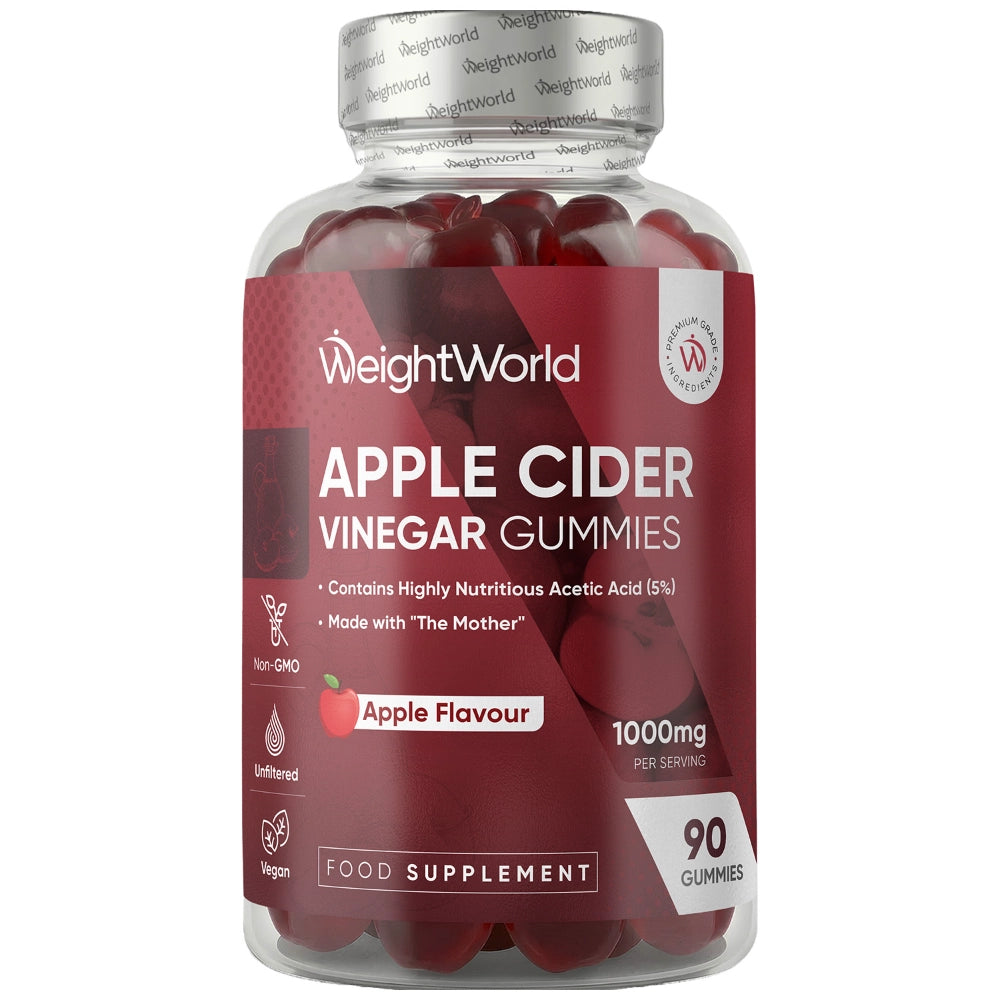
Managing hunger signals is a cornerstone of sustainable weight management. While diet quality and physical activity remain primary drivers, many people find that occasional intense cravings undermine even the most disciplined plans. Modern appetite-control supplements aim to bridge that gap by targeting the physiological cues that trigger overeating. This article explores the science behind appetite suppression, highlights the most reliable categories of products, and offers practical guidance for selecting a safe, effective option that fits into a balanced lifestyle.
Understanding Appetite and Cravings
Appetite is regulated by a complex network of hormones, neurotransmitters, and brain regions. Key players include ghrelin (the “hunger hormone”), leptin (which signals satiety), and peptide YY. When these signals become imbalanced, due to stress, sleep loss, or irregular eating patterns, cravings for high-calorie foods can spike. Recognising the difference between true physiological hunger and emotional or environmental triggers is essential before turning to any supplement.
How Appetite Suppressants Work
Effective appetite suppressants typically act through one or more of the following mechanisms:
- Hormonal modulation: Ingredients such as 5-HTP or green tea extract can influence serotonin levels, helping to promote feelings of fullness.
- Thermogenic stimulation: Caffeine and capsaicin raise metabolic rate, which can modestly reduce appetite as the body burns more calories.
- Fiber expansion: Soluble fibers (e.g., glucomannan) absorb water and expand in the stomach, physically slowing gastric emptying.
- Blood-sugar stabilization: Chromium picolinate and alpha-lipoic acid help keep glucose levels steady, preventing the rapid hunger spikes that follow a carbohydrate surge.
When these mechanisms are combined in a well-formulated product, they can provide a noticeable reduction in snack cravings without the jittery side effects associated with stimulant-only formulas. For a curated selection of scientifically backed options, see the best appetite suppressant range.
Top Categories of Suppressants
1. Fiber-Based Pills
Fiber-rich tablets are popular because they rely on a natural, non-chemical approach. Glucomannan, psyllium husk, and inulin are among the most studied fibers for appetite control. They work by forming a gel-like matrix in the stomach, delivering a prolonged sense of satiety.
2. Thermogenic Blends
These blends typically combine caffeine, green tea catechins, and capsicum extracts. The result is a mild increase in basal metabolic rate and a concurrent reduction in hunger signals. Users should be mindful of caffeine tolerance and avoid late-day dosing to protect sleep quality.
3. Neurotransmitter Support
Supplements featuring 5-HTP, L-tyrosine, or theobromine aim to balance serotonin and dopamine pathways, which directly affect mood-related eating. When paired with a balanced diet, they can curb emotional snacking.
If you are looking for a comprehensive solution that blends these approaches, the best appetite suppressant pills collection offers several multi-ingredient formulas.
Choosing the Right Supplement
Selecting a product should be guided by personal health status, lifestyle, and specific cravings. Consider the following checklist:
- Ingredient transparency: Look for clear labeling of active doses.
- Clinical backing: Preference for ingredients with peer-reviewed research.
- Allergen profile: Ensure the formula is free from substances you react to (e.g., gluten, dairy).
- Regulatory compliance: Products sold in the UK must meet MHRA standards.
For those based in the United Kingdom, the best appetite suppressant uk line provides options that meet local quality controls.
Safety, Side Effects, and Lifestyle Integration
Appetite suppressants are generally safe when used as directed, but they are not a substitute for sound nutrition. Common mild side effects may include:
- Digestive discomfort (especially with high-fiber formulas)
- Increased heart rate or mild insomnia (primarily from stimulant blends)
- Headache or mild dizziness (often linked to rapid electrolyte shifts)
To minimise risk, follow these best practices:
- Start with the lowest effective dose and monitor response.
- Stay hydrated, fiber expands with water, and dehydration can exacerbate side effects.
- Combine supplementation with balanced meals rich in protein, healthy fats, and low-glycemic carbohydrates.
- Maintain regular physical activity to support metabolic health.
For a product that balances efficacy with a gentle profile, the best craving suppressant selection emphasizes natural fibers and minimal stimulants.
Integrating Supplements into a Long-Term Plan
Successful appetite control is a marathon, not a sprint. Use suppressants strategically, such as during periods of heightened stress or when transitioning to a new eating pattern, to reinforce new habits. Over time, the body’s hormonal feedback loops can adapt, reducing reliance on external aids.
When the goal is to complement a calorie-controlled diet, the best pills to reduce appetite range offers low-calorie capsules that fit seamlessly into daily routines.
Conclusion
Effective appetite control hinges on understanding the physiological drivers of hunger, selecting a supplement that aligns with individual needs, and integrating that choice into a broader framework of nutrition and activity. By prioritising evidence-based ingredients, whether fiber, thermogenic agents, or neurotransmitter modulators, consumers can find reliable tools to curb cravings without compromising health. For a curated assortment of reputable options, explore the best pills for appetite control and the related selections such as best appetite control, best appetite suppressants uk, and best diet suppressant pills. When paired with mindful eating and regular movement, these supplements can become a valuable ally in achieving lasting weight-management goals.


