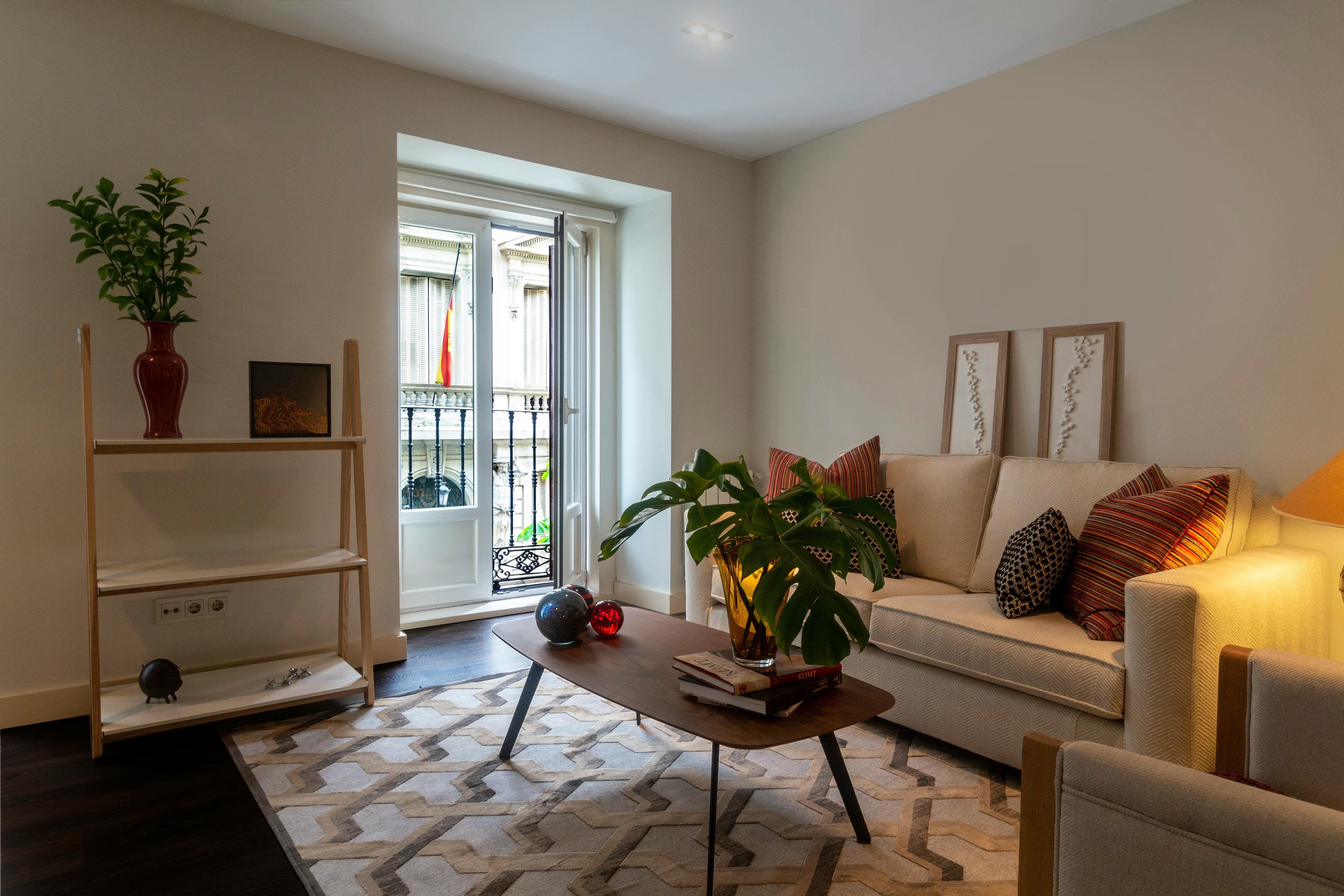
Transforming a house into a home is a journey that requires skill, creativity, and a deep understanding of personal style and functional needs. Residential interior design is an art that balances aesthetics and practicality, ensuring that each space not only looks stunning but also caters to the lifestyle of its inhabitants. This article delves into the essentials of crafting your dream home, offering insights into the process, key elements, and expert strategies to make your vision a reality.
Understanding Your Personal Style
The first step in any interior design project is to understand your personal style. This involves:
- Identifying colors and patterns that resonate with you.
- Choosing furnishings that reflect your taste and lifestyle.
- Considering the function of each room and how it fits into your daily life.
Personal style is the foundation of any design project. Discover expert strategies here to identify and incorporate your unique preferences into every corner of your home.
Key Elements of Interior Design
Space Planning
Effective space planning is crucial in ensuring that your home is both functional and inviting. It involves:
- Maximizing the use of available space.
- Creating a flow that facilitates movement and comfort.
- Allocating areas for specific activities and ensuring each is equipped accordingly.
For more insights into optimizing space, find out more about this approach.
Lighting
Lighting plays a pivotal role in setting the mood and enhancing the functionality of your home. Considerations include:
- Combining natural and artificial light for different times of the day.
- Using layered lighting techniques to create depth and interest.
- Ensuring proper illumination for tasks, ambiance, and accent lighting.
Explore advanced guides and tips on how to effectively utilize lighting in your design.
Choosing the Right Materials and Finishes
The materials and finishes you choose can drastically affect the look and feel of your home. Important considerations include:
- Durability and ease of maintenance.
- Compatibility with your overall design theme.
- Environmental impact and sustainability.
To learn more about selecting the best materials for your home, learn about our tailored solutions.
Incorporating Technology
Modern homes are often equipped with technology to enhance convenience and efficiency. This includes:
- Smart home systems for lighting, heating, and security.
- Incorporating entertainment systems seamlessly into the design.
- Ensuring that technology does not overshadow the aesthetic appeal.
Find out more about this approach to integrating technology into your home’s design.
Conclusion
Creating your dream home is a comprehensive process that blends your personal style, practical needs, and the latest design principles. By focusing on key elements like space planning, lighting, material selection, and technology integration, you can craft a living space that is uniquely yours. As you embark on this journey, consider seeking guidance from seasoned experts and resources to refine your vision and bring it to life in the most effective and beautiful way possible.